


Cannes Lions named Eddie Cue its Entertainment Person of the Year, and the man Apple trusts with Services (and now Health) used the stage to make a deceptively simple argument: technology is never the point. Sitting alongside legendary producer Jerry Bruckheimer, the pair walked through the building of Apple TV+, the runaway success of F1, and a shared philosophy that sounds almost old-fashioned in an AI-saturated festival. Find the best people, start with a great story, and let the technology serve it. The message was clear: in entertainment, taste still beats scale.
Built From Scratch, On Purpose
Cue is candid that the smart money said it couldn't be done. You can't launch a studio, the thinking went, without licensing a back catalogue to fill the shelves. Apple did the opposite, making every show original and borrowing nothing. "If we were going to put our name on it," he said, the work had to be theirs.
That meant a slow start: five or six shows at launch, a team assembled from "ground zero," and roughly six and a half years of building before the model proved itself. The two hires that mattered most, Zack Van Amburg and Jamie Erlicht to run the studio, took two years to recruit. Cue's read on Apple's whole success story is the same one he applies to entertainment: "It's always about the people, from top to bottom."
"Somebody Has to Believe in You First"
Apple TV+ needed a flagship before it had a reputation, and Cue credits The Morning Show, with stars Reese Witherspoon and Jennifer Aniston, for taking the leap. With no other shows to point to, he made the pitch personal: if you believe this will be one of the best shows on television, then do it with us, because we'll put 100% of our weight behind it. They did.
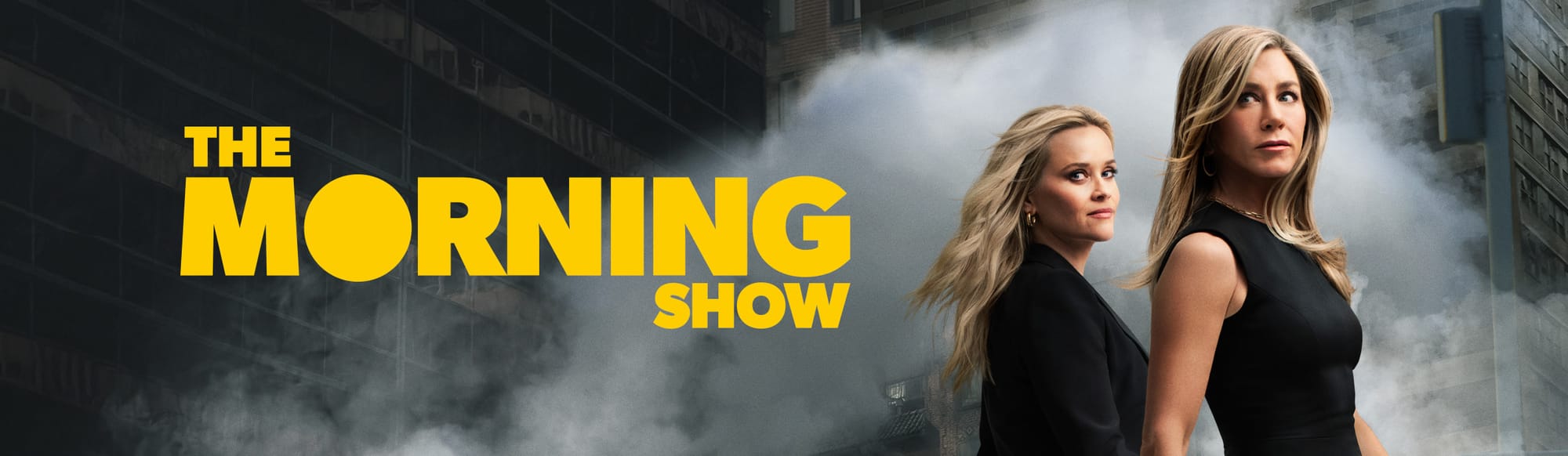
Seven years on, the bet looks vindicated. Severance, Ted Lasso (back later this summer), Silo, Shrinking, Bad Monkey and The Morning Show now form a library with returning fans, joined by new swings like a pickleball comedy and Mayday. Cue's ambition for the brand is the one he grew up admiring: a marque where you may not love every title, but you trust the room it came from.
F1, and Technology in Service of the Story
For Bruckheimer, the collaboration on F1, already the biggest sports movie of all time, was the proof of concept. Apple, he said, did things he'd "never seen a company do for a film": store posters worldwide, a phenomenal album campaign, and a willingness to bend its own rules. When the standard 45-day theatrical window arrived and audiences were still buying tickets, Apple simply left the film in cinemas, with an IMAX return in August.
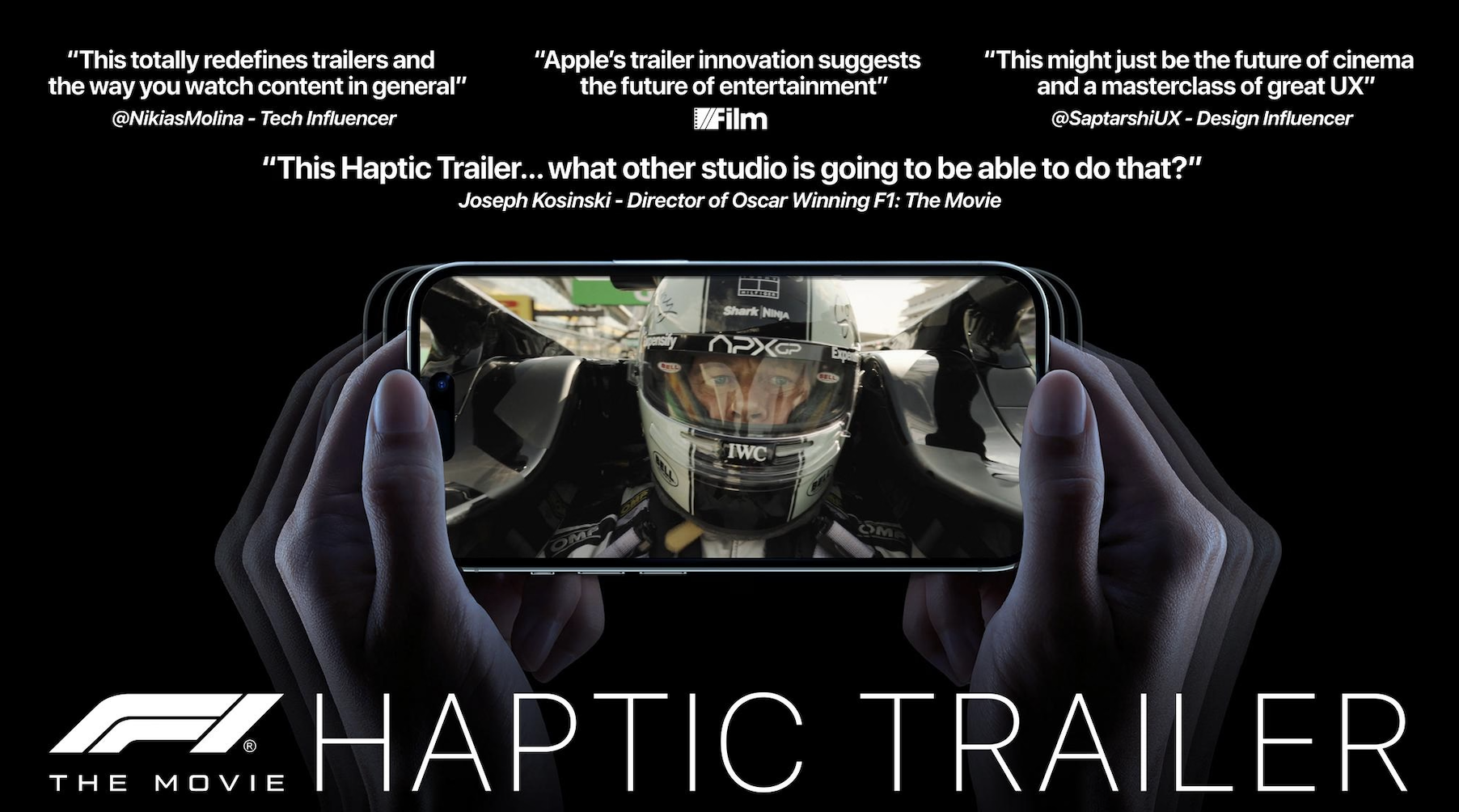
The technology showed up the same way, quietly and in service of the drama. A haptic trailer let you feel the car through your phone. Camera systems derived from the iPhone were mounted on two cars in every race, light enough not to slow the machines and clear enough to stun the drivers, and the resulting engineering fed back into the next version of iOS. "There's a story point in every single race," Bruckheimer said. That, for both men, is the whole game: storytelling and technology pulling in the same direction.
The Bruckheimer Origin Story
The festival closed a loop for Bruckheimer. He started in the mailroom of a Detroit advertising agency, got voted out, and found his way into commercial production, work that eventually won him a Cannes Lion for Pepsi before Hollywood ever called. When a director invited him west, he moved on roughly $10,000 and a small Western to get his foot in the door. His takeaway, repeated like a mantra: "The harder you work, the luckier you get." And the luck multiplies when you surround yourself with great people.
What's Next
Neither is slowing down. There's appetite for another F1, plus a UFO film described as "All the President's Men for UFOs," a true story about what the government has and hasn't disclosed, with the F1 and Top Gun: Maverick director attached. On the platform side, Cue is leaning into live sports as "the best unscripted television there is," pulling events like Major League Soccer into one blackout-free home and using iPhone-based broadcast rigs to capture angles traditional cameras can't reach.
Three Ideas to Take Away
- Start with the story. Cue traces it to Steve Jobs and Pixar: no story, no hit, and no amount of technology saves it.
- Hire for the room, not the title. A trusted marque is built person by person, and the best talent wants to work with other people doing great work.
- Make the technology disappear. From haptics to on-car cameras, the tech that lands is the tech you feel but never notice, because it's serving the story rather than the other way around.